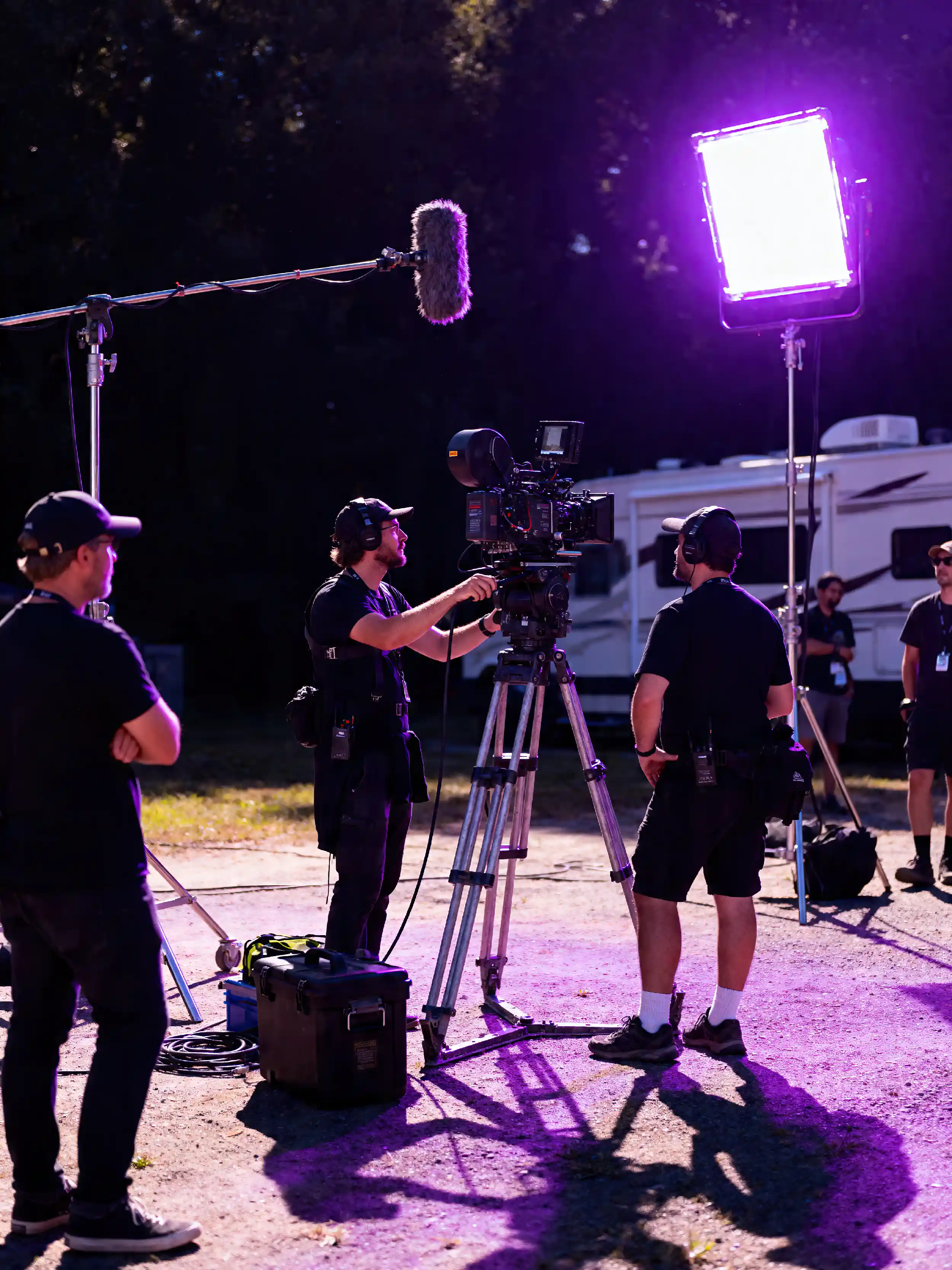
Corporate events have evolved far beyond traditional formats. What was once a schedule of presentations and networking sessions has become a dynamic environment where brands communicate, position, and build long-term relationships in real time.
Today, companies expect more than execution. They expect experiences that reflect their identity, support their objectives, and engage audiences on multiple levels. This shift has redefined how corporate events are designed. It is no longer about filling a space, but about shaping a system where every element serves a clear purpose.
From national and international congresses to academic and medical conferences, from symposiums to panel discussions, each format requires a different structure. The audience, the content, and the environment must align seamlessly. When they do, the event becomes more than a moment. It becomes a platform for communication and impact.
At the same time, audience behavior has changed. Attendees are no longer passive listeners. They expect interaction, clarity, and relevance. This makes experience design a critical layer in every corporate event. The flow of the program, the spatial design, the timing of content, and the integration of technology all contribute to how the event is perceived and remembered.
At Belt, we approach corporate events as structured systems rather than isolated productions. Every project begins with understanding the objective, the audience, and the context. From there, concept, production, and execution are developed as interconnected layers, ensuring continuity across the entire experience.
Our work across MICE projects includes national and international congresses, academic and medical conferences, symposiums, and panel discussions, as well as executive and review meetings, dealer meetings, and partner gatherings. Each format is designed with clarity, aligning content, space, and operation into one cohesive structure.
Because high-impact corporate experiences are not built on complexity, but on control. When every layer is connected and every decision is intentional, the event performs not only in the moment, but long after it ends.
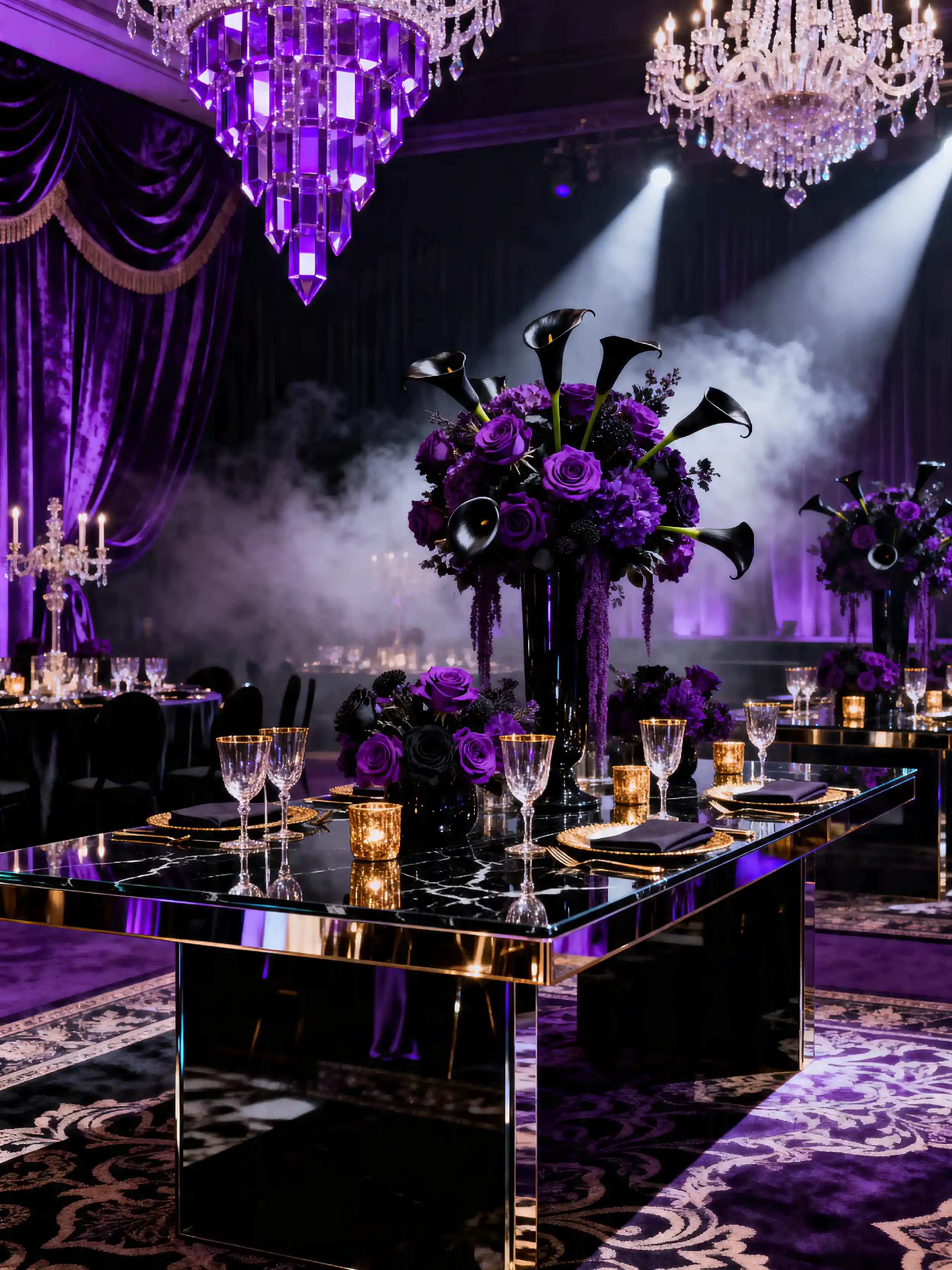
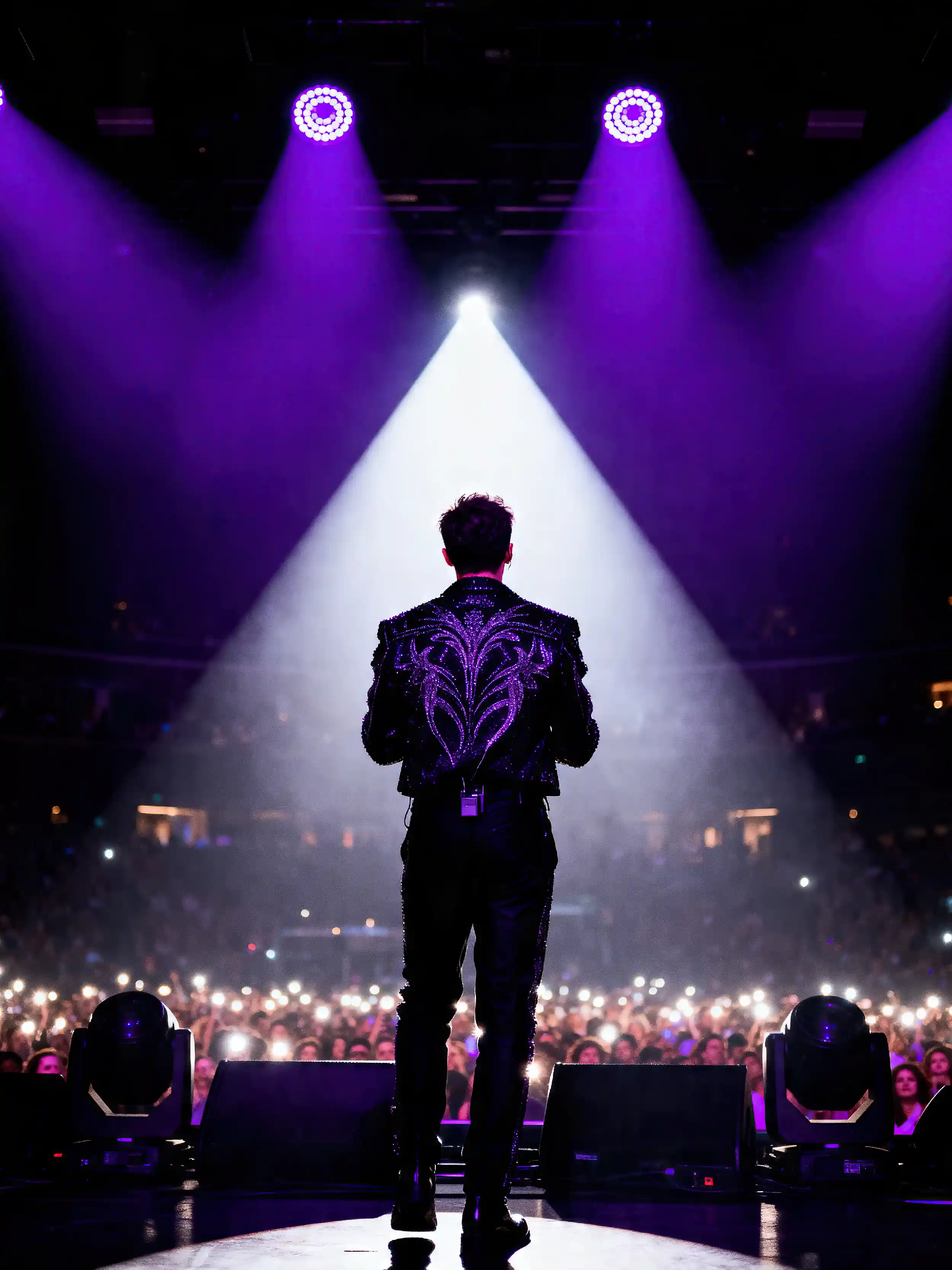
Artist booking is not just about names, but about alignment with audience, concept, and experience. The right talent shapes how an event is perceived, felt, and remembered.