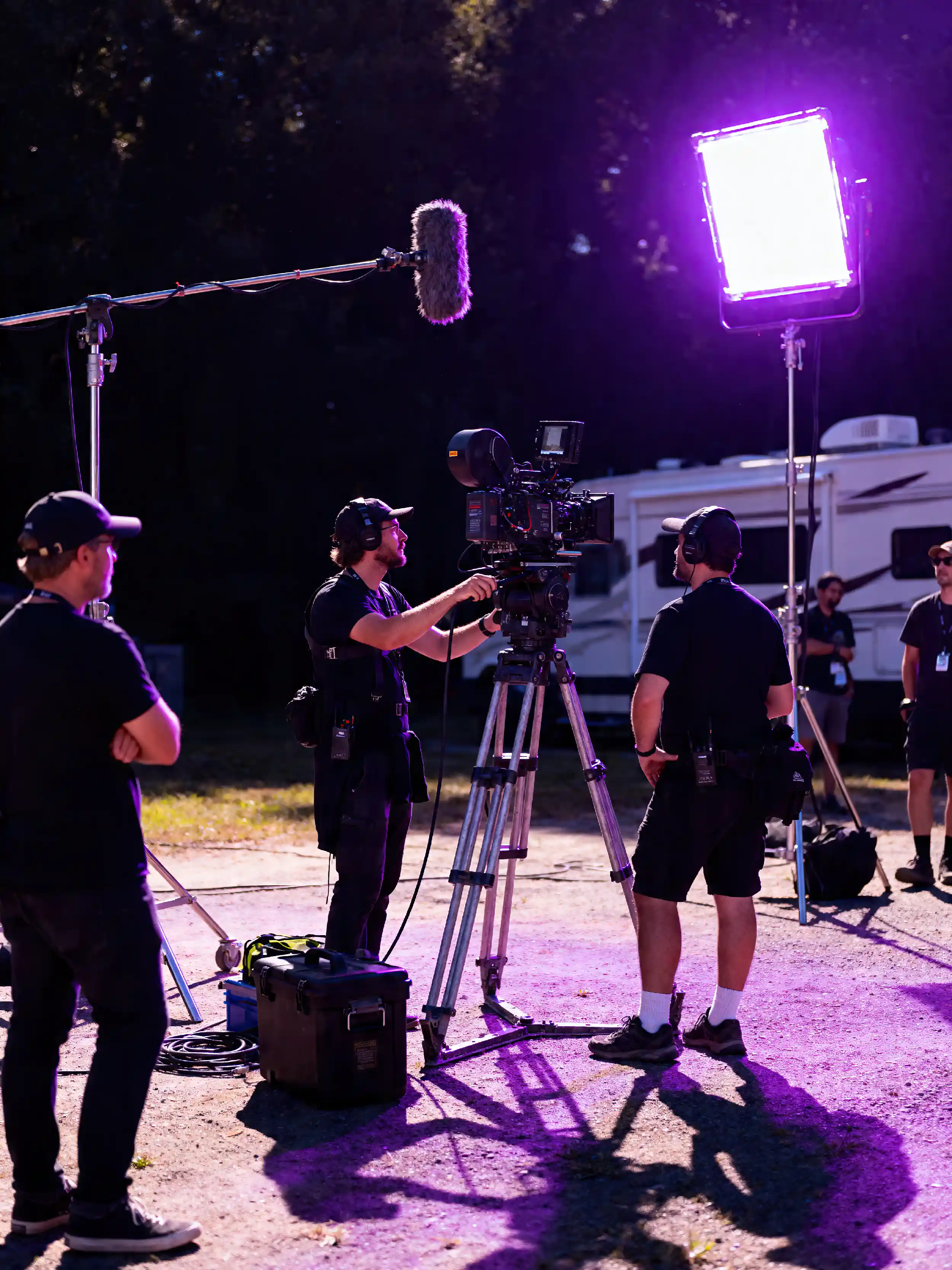
Every event starts with a concept, but a concept alone is not enough. What defines its impact is how it is translated into space, atmosphere, and flow. This is where design moves beyond visual direction and becomes a tool for building environments that people can experience in real time.
The transition from concept to environment is a process of alignment. Ideas must connect with audience expectations, spatial limitations, and operational realities. What may exist as a strong narrative on paper needs to function seamlessly within a physical setting. This requires more than creativity. It requires structure.
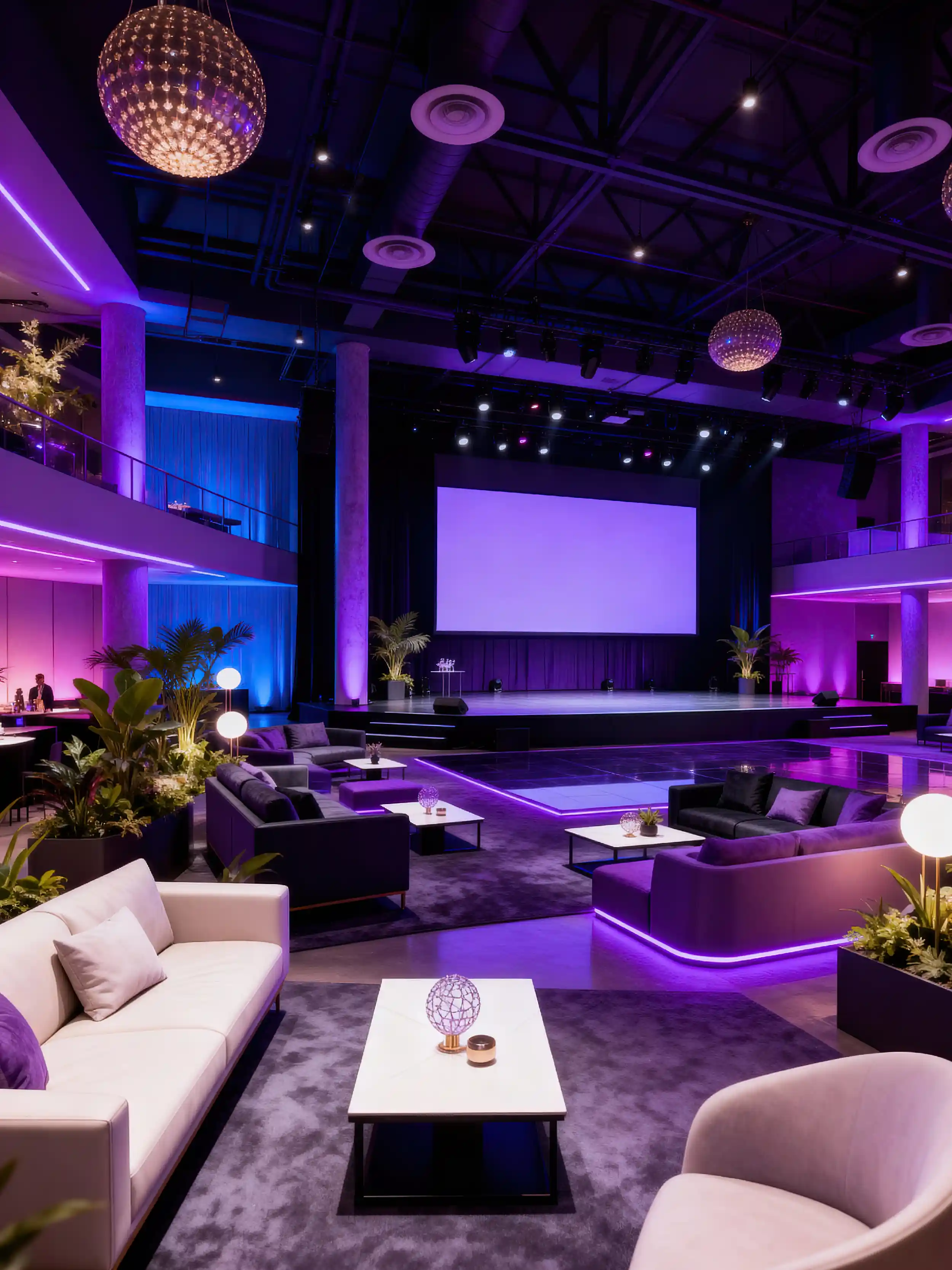
Theme-based spatial design, stage and backdrop creation, lighting composition, and on-site brand integration all play a role in shaping how a concept is perceived. Each layer contributes to a unified system, where nothing feels disconnected or out of place. When done right, the environment does not just support the idea, it becomes the idea.
In this process, clarity becomes essential. Removing unnecessary elements, defining focal points, and guiding the audience through space are all part of creating an experience that feels intentional. Because strong environments are not built on excess, but on precision.
At Belt, concept and design are developed as interconnected systems rather than separate stages. From creative concept development to spatial design and execution, every step is planned to ensure continuity across the experience.
Our work includes creative concept development, theme-based spatial design, stage and backdrop design, on-site brand integration, as well as lighting, color, and ambience design, entrance and welcome area design, and custom decor production. Each element is carefully aligned to support the overall narrative.
Because the true success of a concept is not in how it looks in isolation, but in how it transforms into an environment that people can move through, interact with, and remember.
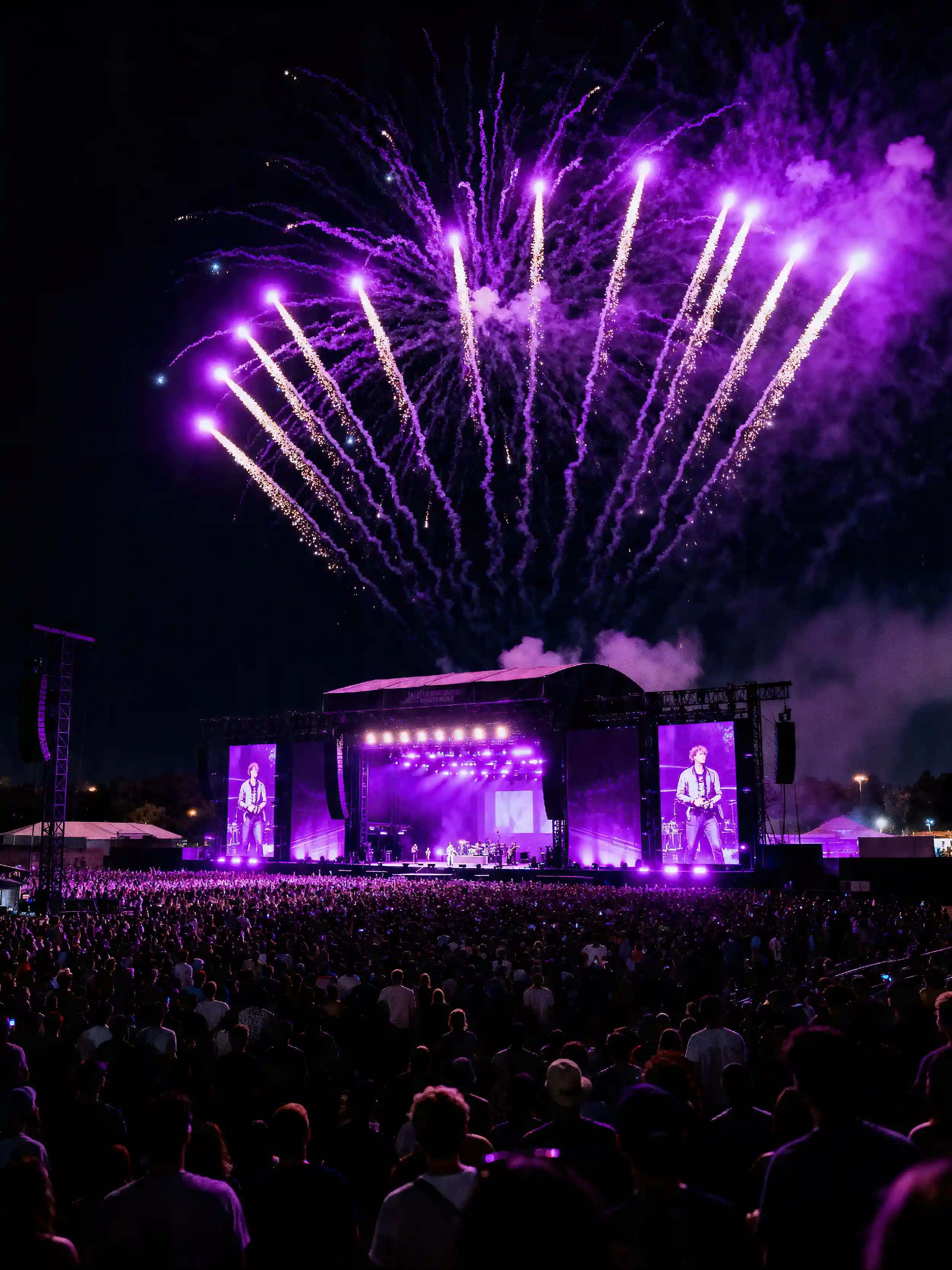
Festivals are no longer just entertainment formats, but large-scale cultural environments where communities, brands, and ideas intersect.